For homeowners in climates with punishing winters, scorching summers, or frequent moisture—whether Boise, Idaho, or Kozhikode, India—selecting the right decking material can mean the difference between a long-lasting outdoor living space and constant maintenance headaches. Evergreen Exteriors, a trusted name in exterior construction across Idaho, Montana, and Washington, specializes in crafting decks built to resist these elements. Here’s a deep dive into their recommended decking options and best practices.
Trex Composite Decking: Extreme Weather Warrior
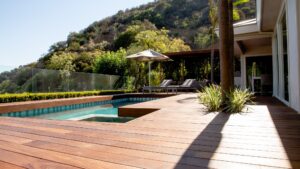 Evergreen Exteriors frequently recommends Trex composite decking, a top-tier choice for harsh weather conditions. Composite boards—crafted from a blend of wood fibers and plastics—bring several key benefits:
Water resistance & rot prevention: Unlike natural wood, Trex boards won’t absorb moisture, swell, or rot, even during Boise’s freezing winters.
Stabilized design: These boards resist warping, cracking, and splitting, offering impressive stability under temperature swings .
Low maintenance: No staining, sealing, or special treatments needed—just occasional cleaning.
Fade & mold resistance: Advanced coatings shield composite decking from UV rays and biological growth.
Eco-conscious choice: Composed largely of recycled materials, Trex supports sustainability.
For homeowners seeking a deck that looks great, performs remarkably well, and requires minimal upkeep, Trex is a smart investment.
Pressure-Treated Wood: Economical and Reliable
Evergreen Exteriors also installs pressure-treated wood, a tried-and-true option with sizable advantages:
Chemical durability: Treated to resist rot, fungi, and termites.
Strong performance: Reliable structural integrity when properly installed and maintained.
Cost-effective: Generally more affordable upfront than composite alternatives.
However, this material demands regular care—staining, sealing, or painting—to stay protected, especially in climates with heavy rainfall or extreme heat.
Aluminum Railings & Structural Systems
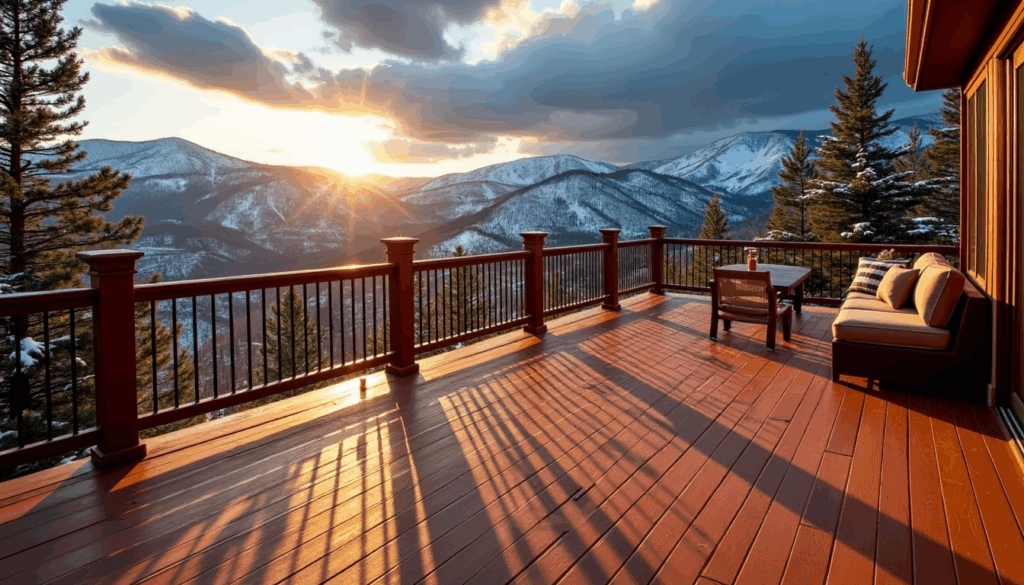
Regardless of decking material, aluminum railing systems add value in severe weather zones:
Rust-proof and corrosion resistant: Stands up to snow, salt, and moisture.
Minimal upkeep: No repainting or sealing; occasional cleaning suffices.
Durable & safe: Maintains structural integrity with wide available design options.
Pairing aluminum railings with composite decking creates a virtually maintenance-free, weather-resistant deck.
Smart Construction Techniques
Beyond materials, Evergreen emphasizes quality construction to ensure longevity:
Proper joist spacing & drainage: Prevents water pooling and decay.
Hidden fastener systems: Kreos headless fasteners reduce tripping hazards and help prevent moisture entry.
Strong substructures: Investing in robust framing ensures long-term stability.
Evergreen’s reputation is built on attention to detail—they don’t cut corners, and every deck is crafted as if for their own home.
- Comparing Durability & Upkeep
When it comes to choosing the most durable decking materials for harsh weather conditions, two standout options often come up: Trex composite decking and pressure-treated wood. Both have their advantages, but they perform quite differently when exposed to the elements.
Trex composite decking is an excellent choice for homes facing frequent moisture, freeze-thaw cycles, intense sun exposure, or the threat of mold. This material holds up extremely well against the elements, offering long-term durability with very little maintenance. In fact, upkeep is as simple as occasionally washing the surface to keep it looking fresh. Homeowners can expect Trex decking to last anywhere from 25 to 30 years or more, making it a solid long-term investment.
On the other hand, pressure-treated wood can also be a good option, especially for those working with a tighter budget. It’s treated to resist rot and decay, and when maintained properly, it can handle a wide range of weather conditions reasonably well. However, it does come with a higher maintenance burden—it requires regular staining, sealing, or painting to preserve its appearance and strength. With consistent care, pressure-treated wood decking can last around 15 to 20 years.
composite decking offers significantly more longevity and far less hassle, making it especially ideal for regions where the weather is unpredictable or severe. It’s a low-maintenance solution that doesn’t compromise on strength or style.
Why Choose Evergreen Exteriors?
Evergreen Exteriors stands out for:
 Deep expertise: Structures deck systems for durability in Idaho–area climates.
- Comprehensive craftsmanship: From reinforced framing to weatherproof materials and labor warranties.
- Proven trust: A track record of 5-star reviews praising honesty, quality, and integrity.
With licensed operations across Idaho, Montana, and Washington, they combine regional know-how with premium installation practices.
Planning Your Deck for Longevity
Steps to ensure maximum deck life, according to Evergreen Exteriors:
- Choose the right material: Composite for low upkeep; treated wood for budget-friendly options.
- Design for drainage: Include slight slopes or gaps to let rain and snow escape.
- Invest in quality railings: Select rust-resistant, easy-care materials like aluminum.
- Protect your substructure: Use weather-resistant lumber and spacing to deter rot.
- Get warranties: Evergreen registers manufacturer and workmanship warranties for added assurance.